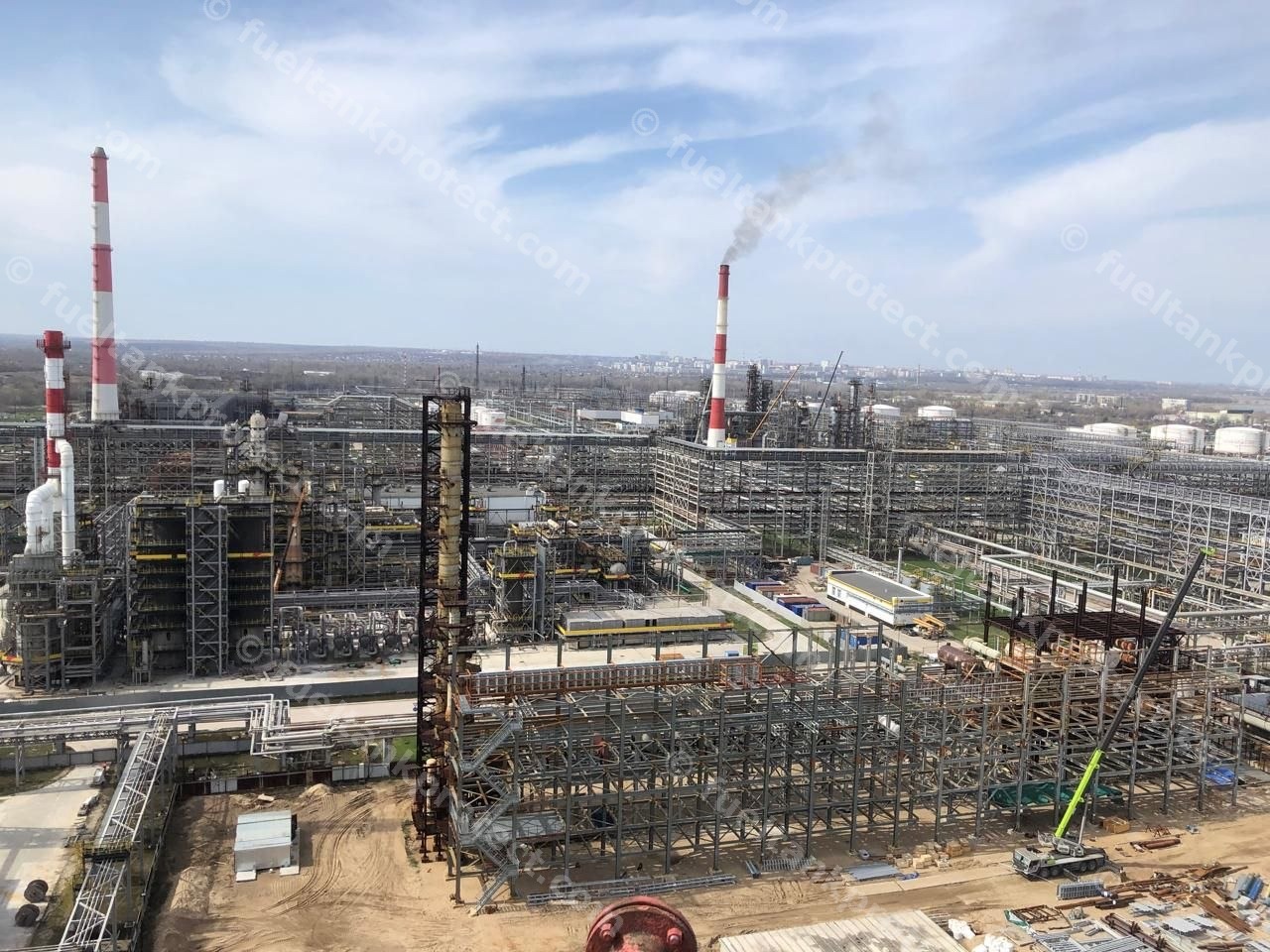
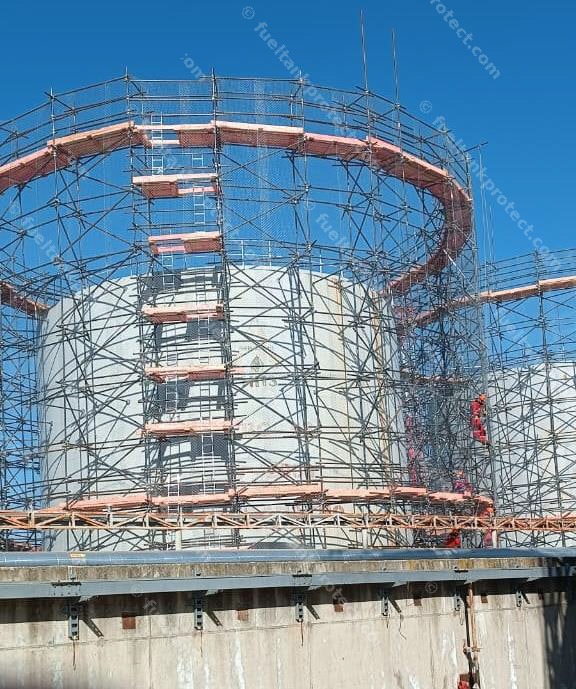
Heavy industrial facilities — including refineries, chemical plants, and large tank farms — require the highest protection class. Class H systems use 420 mm ring geometry with 19-coil weave, providing impact absorption above 5,000 kJ. The independent structural frame stands 2.5–3.0 m from the protected object, ensuring zero load transfer to the primary structure.
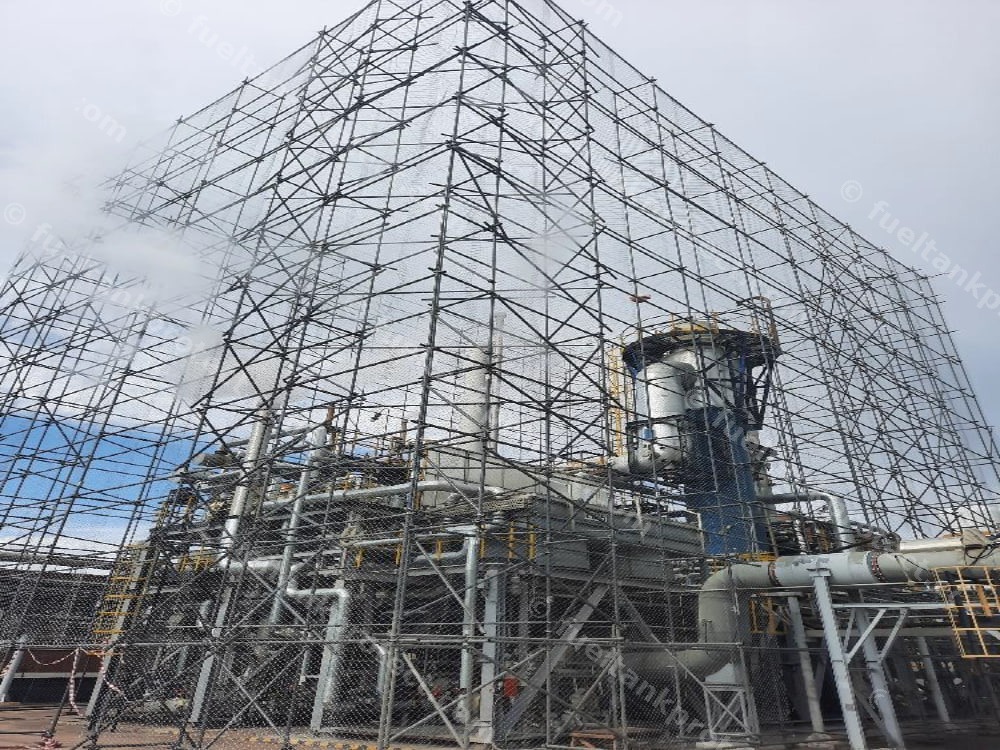
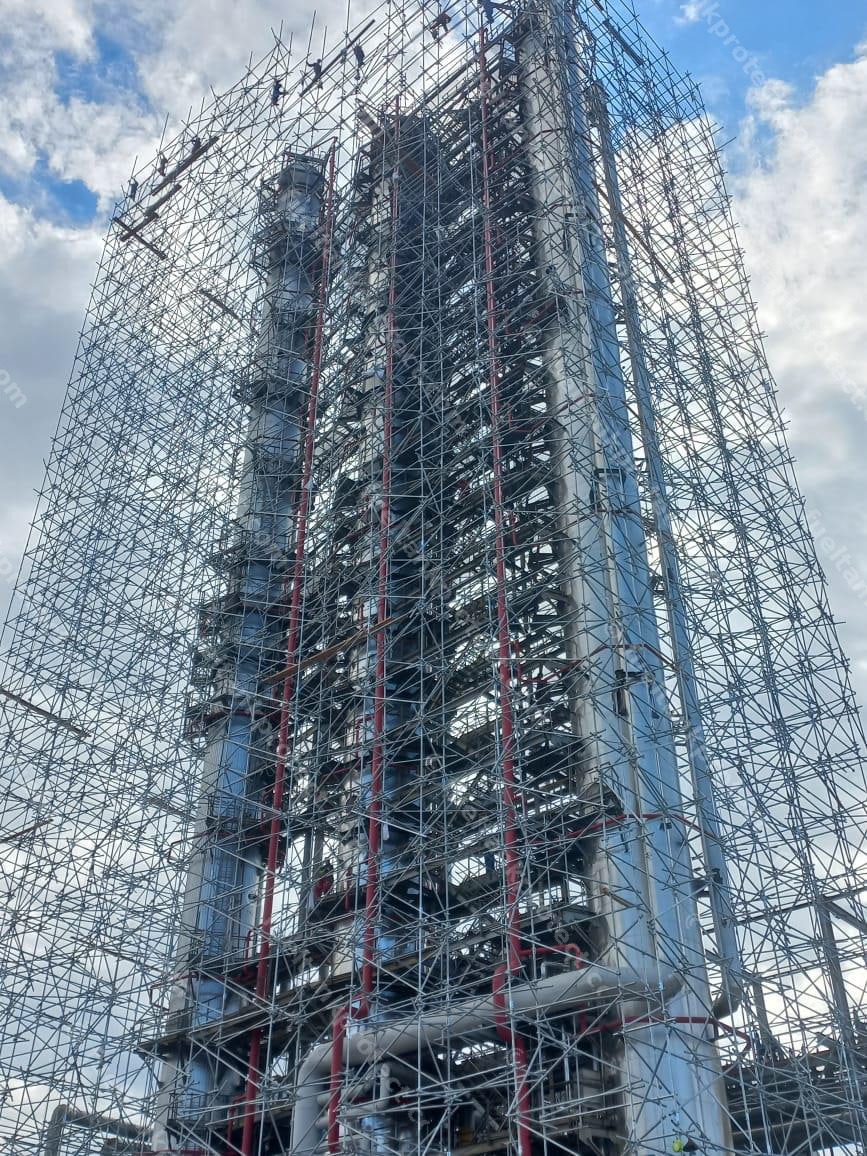
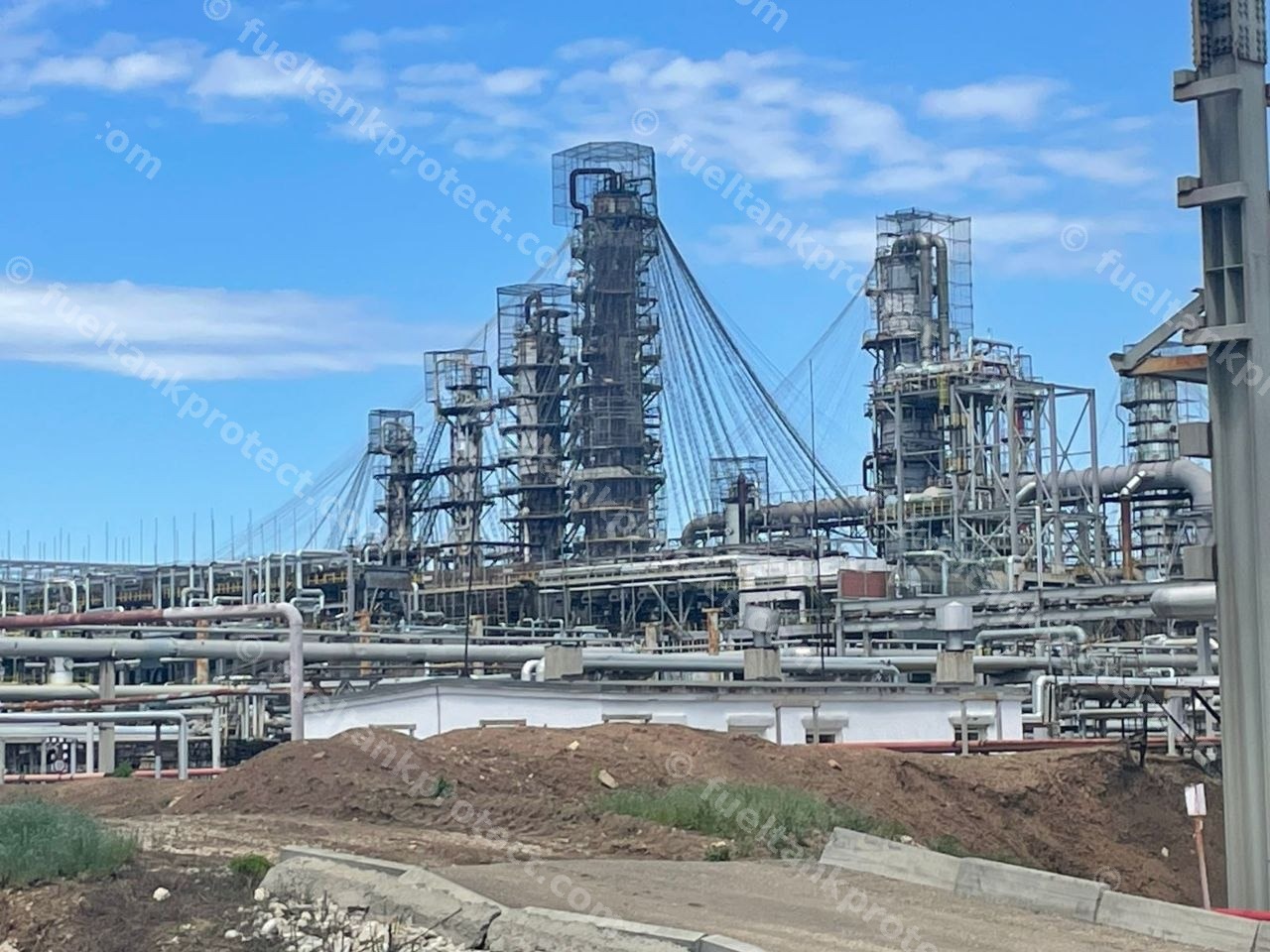
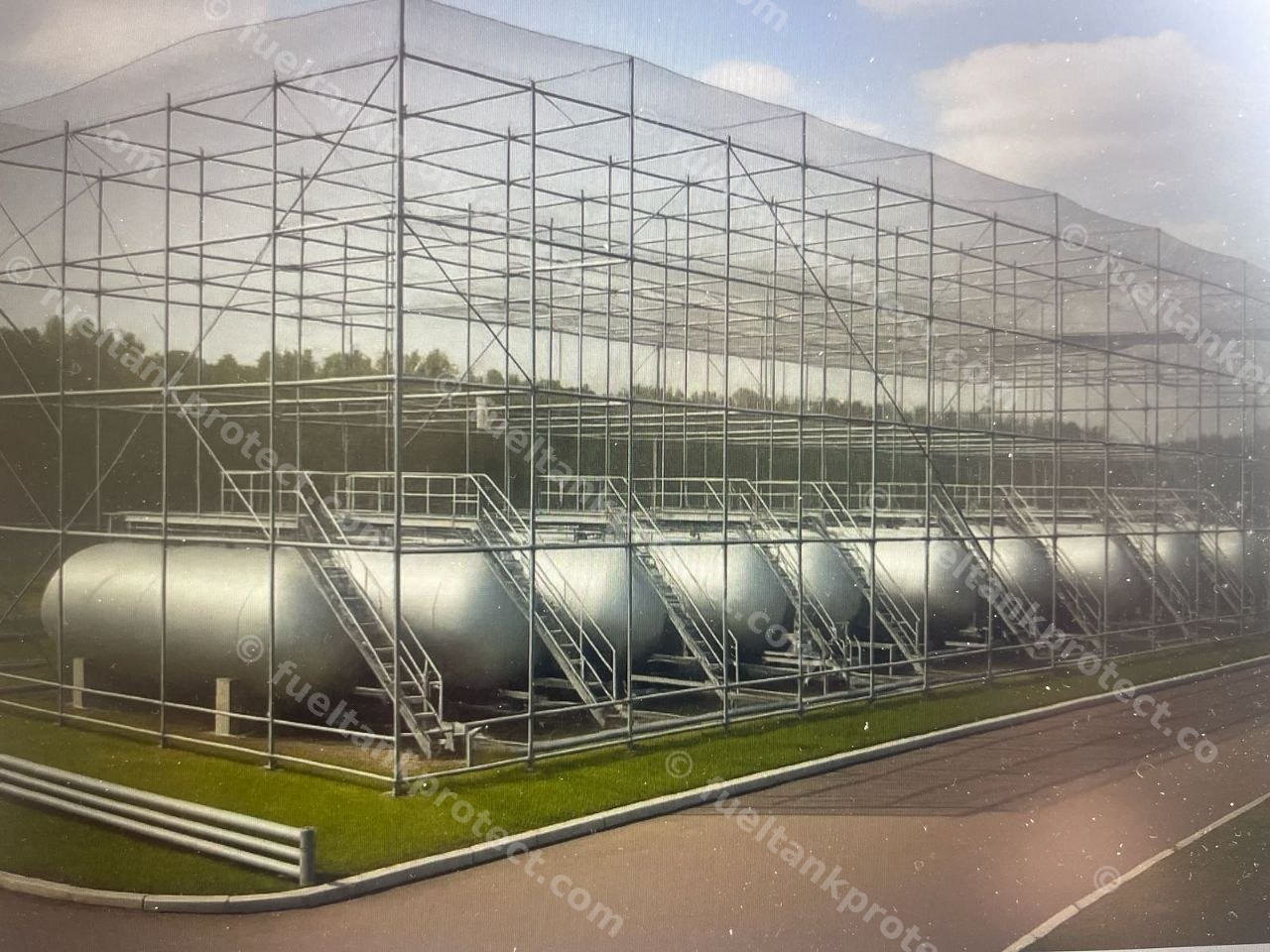
The core application is fuel storage tanks. Three configurations address different site geometries: Single Tank — Suspended Dome (pilot-friendly, fast deployment), Square Cluster — 4 Tanks (15–25% cost saving per unit), and Linear Row — Portal-Cable (most economical for large farms). All configurations share the same principle: independent structure, no load to tank shell.
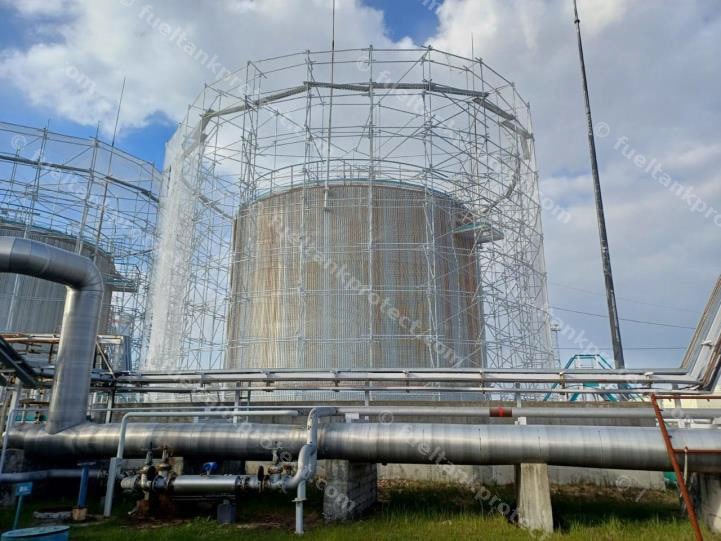
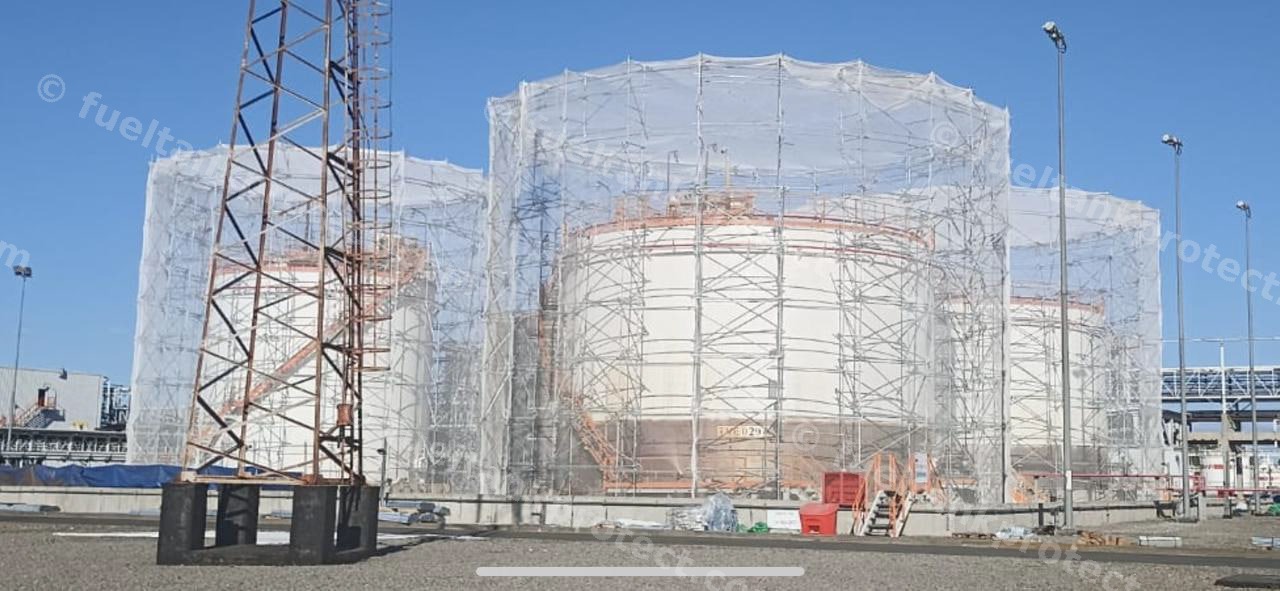
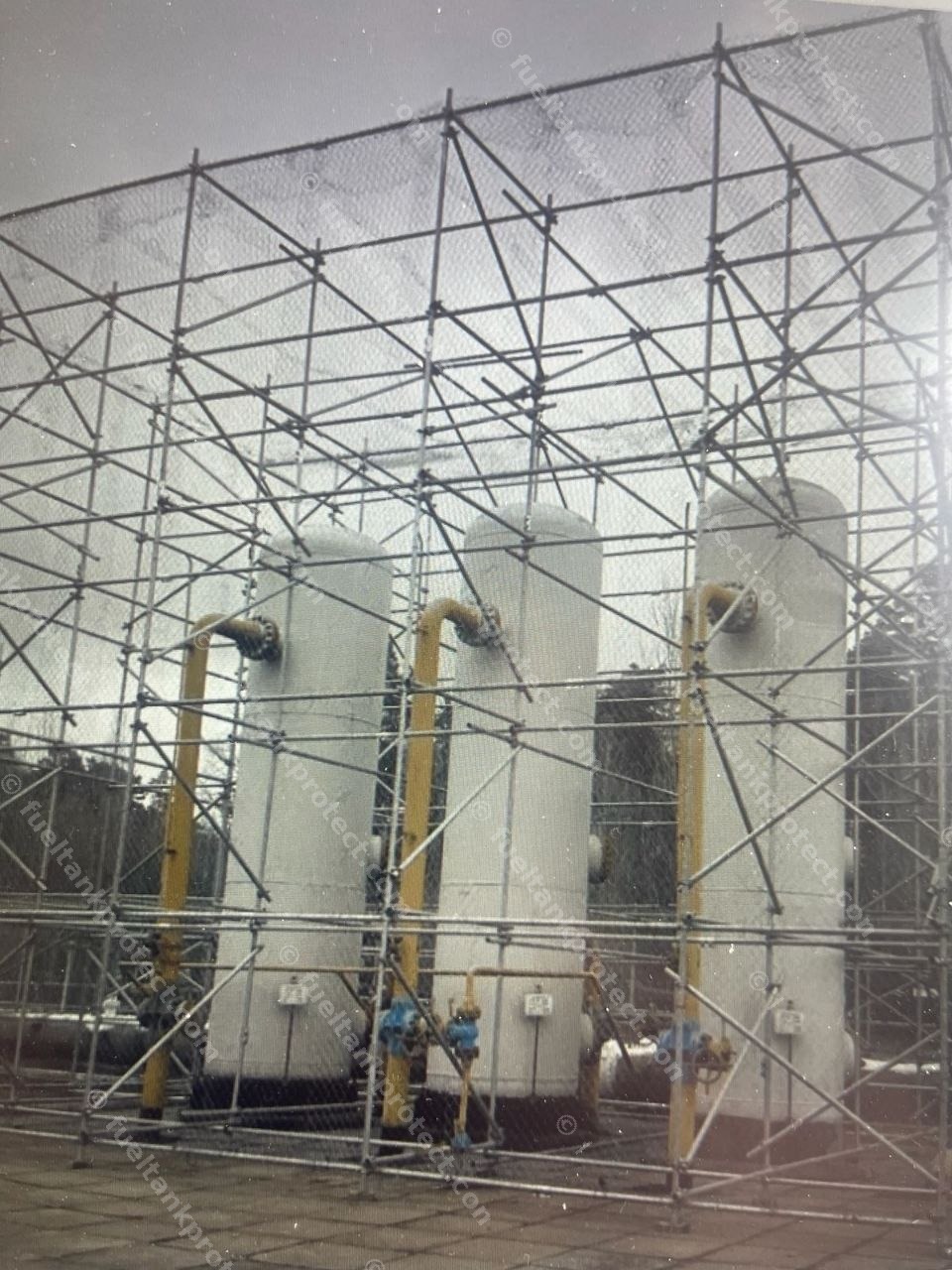
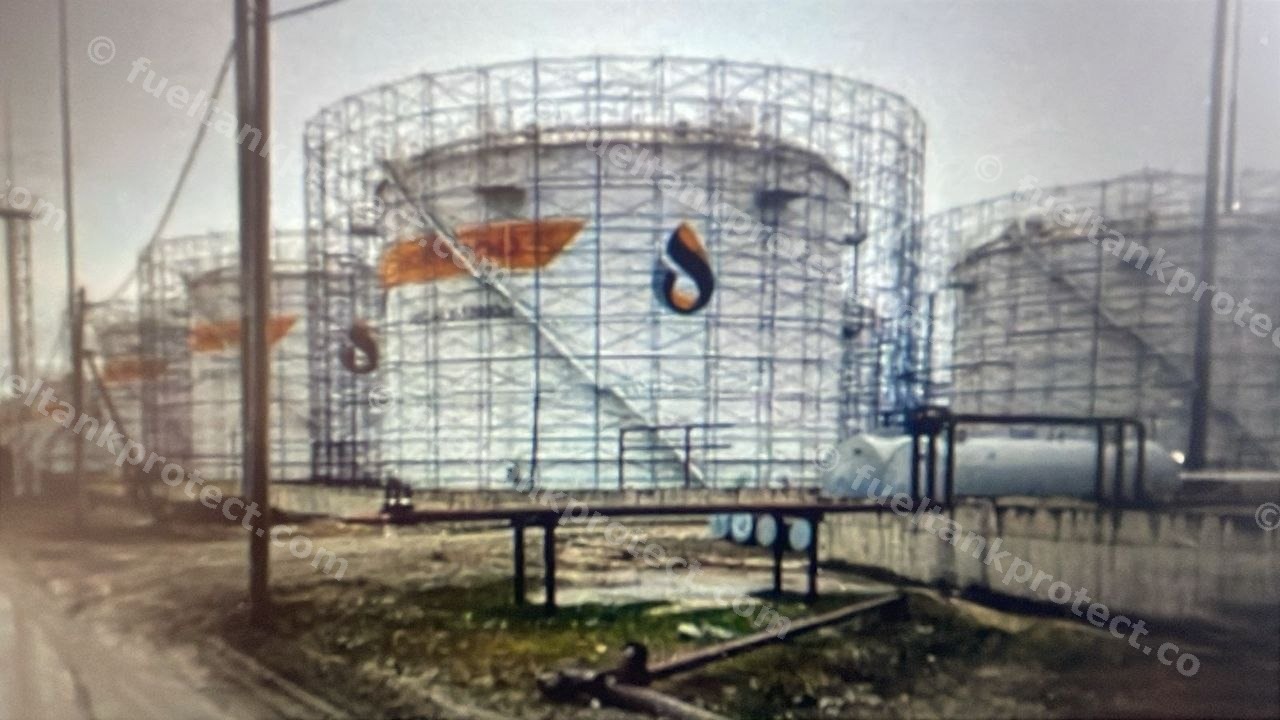
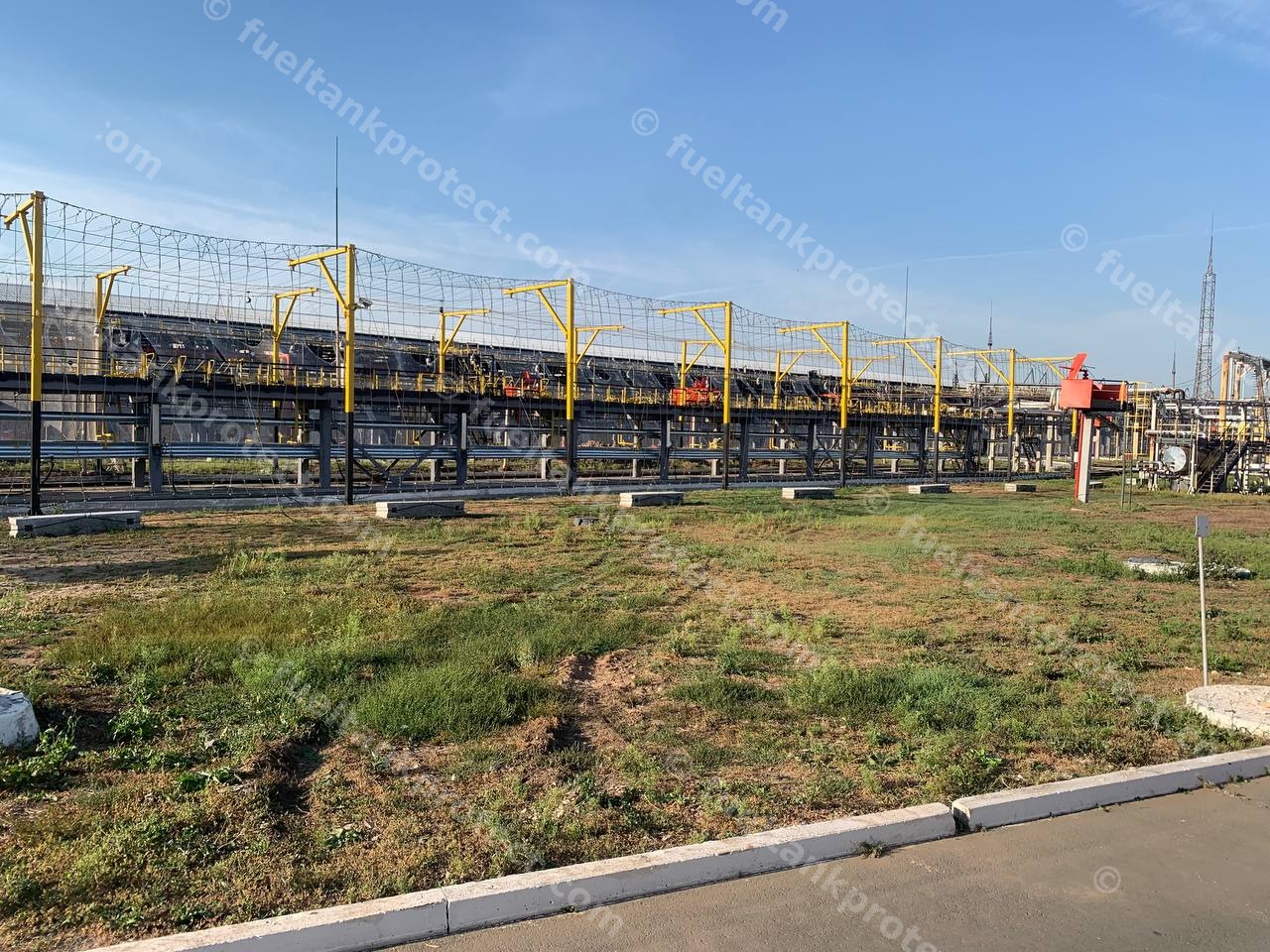
Infrastructure Protection Across Object Types
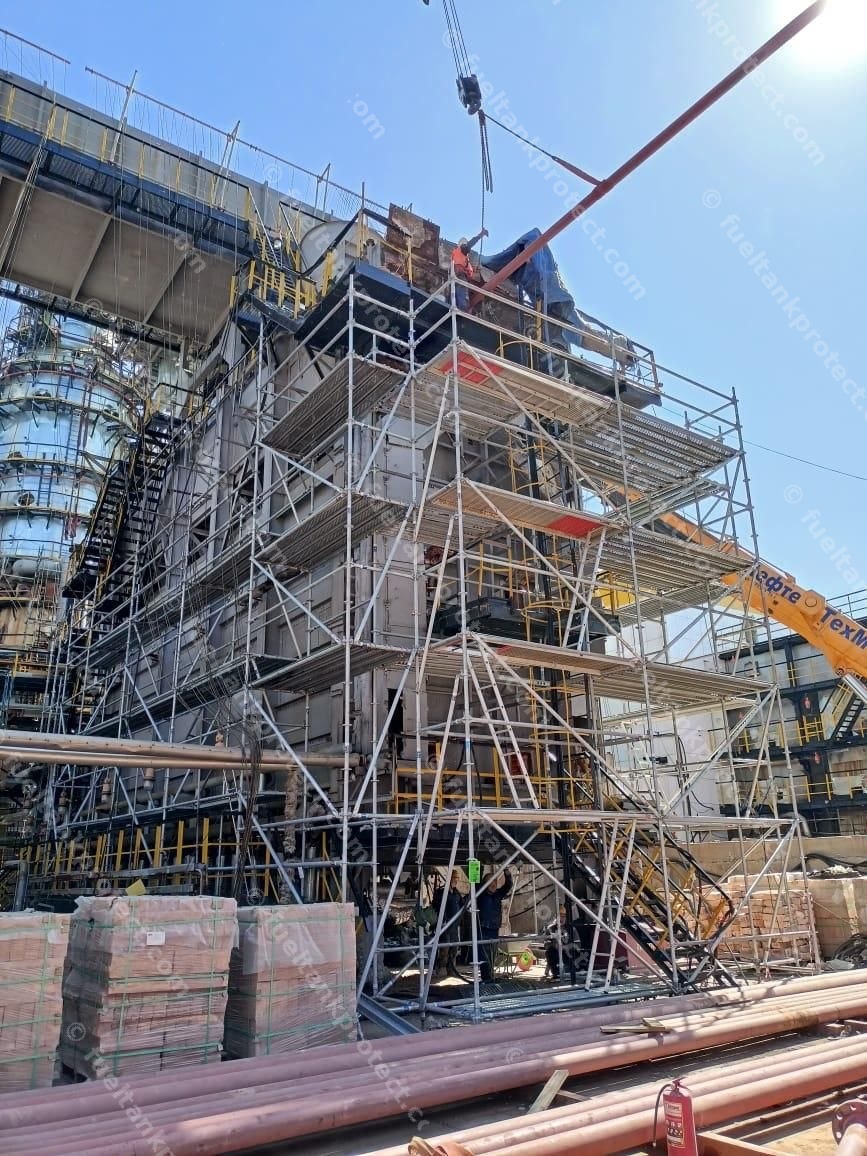
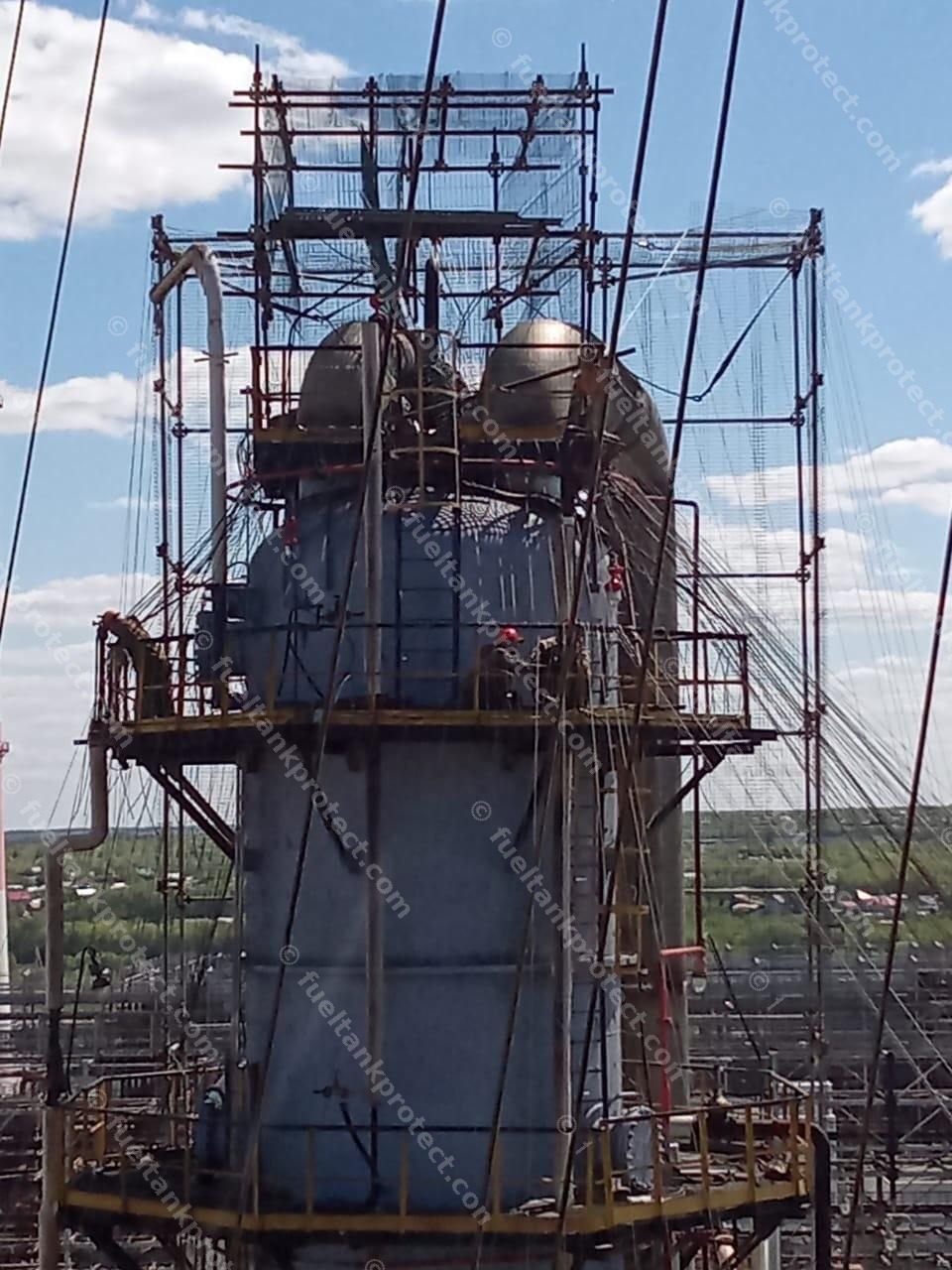
The passive protection methodology is not limited to cylindrical storage tanks. The same certified mesh technology and independent structural logic applies to substations, transformer yards, pump stations, compressor units, and other critical infrastructure nodes. Object geometry changes — the engineering principles remain constant.
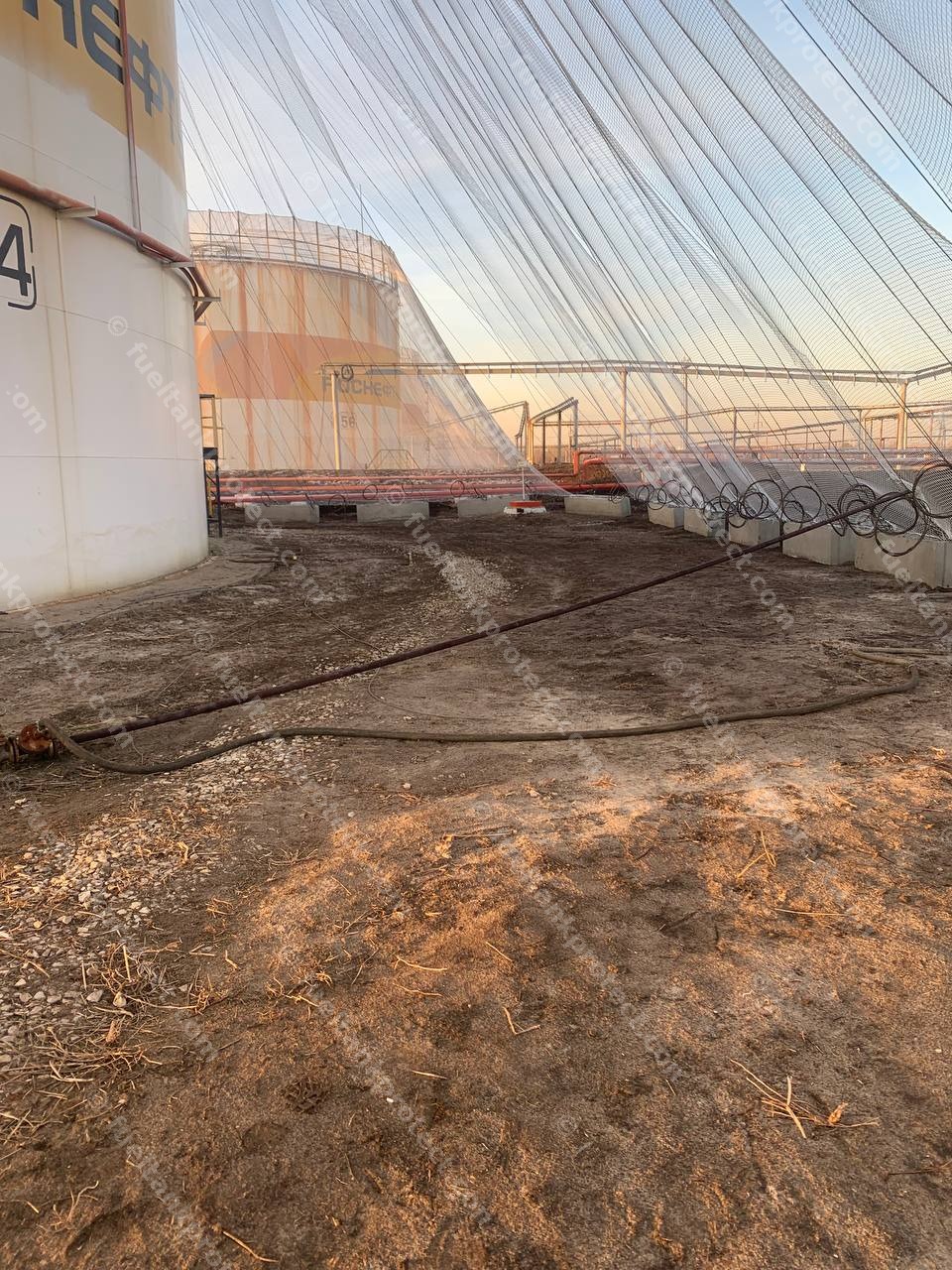
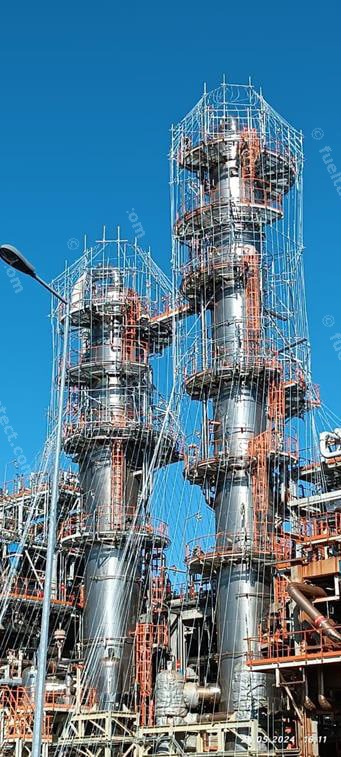
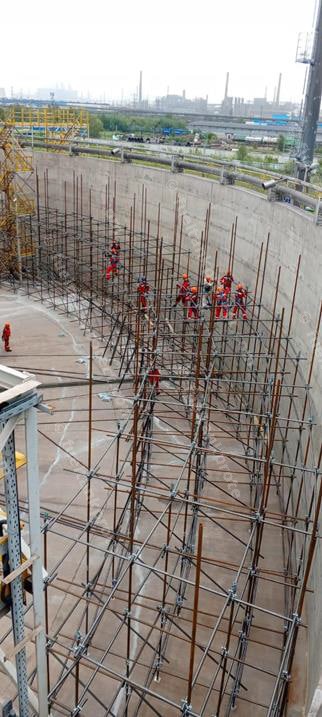
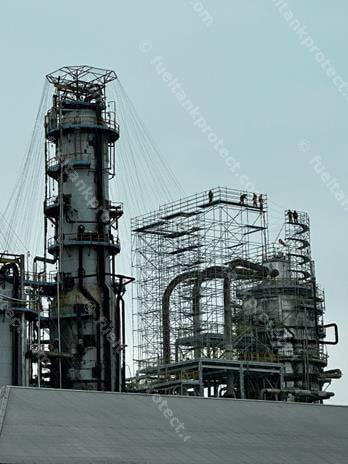
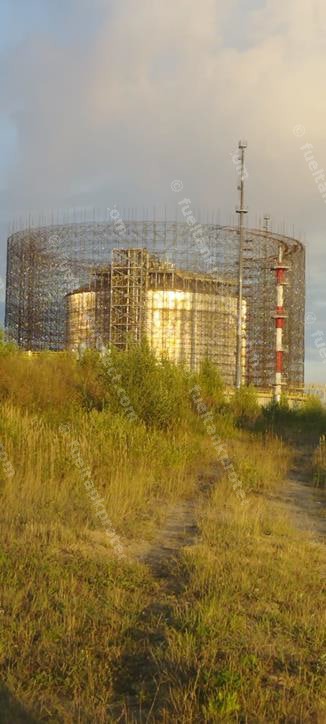
Variable Configuration — By Threat and Object
The protection system adapts to client requirements across three dimensions: mesh type (steel chainmail 250–420 mm, kapron/polymer for lighter threat profiles), foundation type (concrete, ground anchor, surface bolt-down), and frame geometry (portal, dome, perimeter, hybrid). The combination is defined during the Threat Model Assessment phase.
Steel chainmail — certified configurations
Kapron / polymer mesh — alternative configurations
Foundation and mounting solutions
One System. Infinite Configurations.
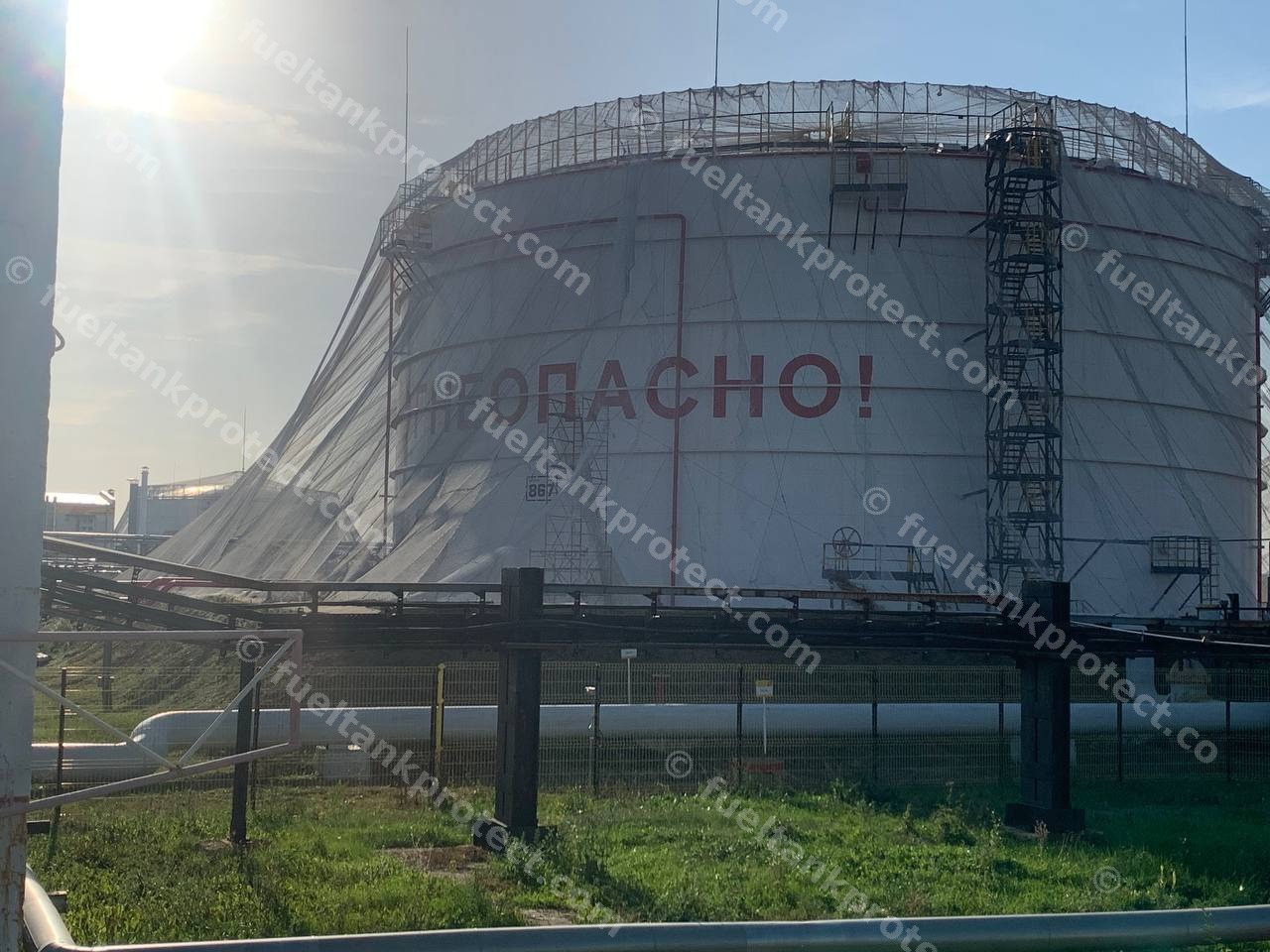
Every deployment shown here follows the same certified engineering logic: the protection structure is fully independent from the protected object. Impact energy is absorbed and redistributed through controlled deformation of the mesh and frame — never transferred to the tank or facility structure. This is the principle that makes the system installable without shutdown, without hot work, and without structural modification to the protected asset.
The selection of mesh type, ring diameter, frame geometry, and foundation is determined during the Threat Model Assessment — a confidential technical process conducted with the client before any engineering commitment. This ensures every deployment is calibrated to the actual threat profile and site conditions.
Ready to Discuss Your Object?
Fuel storage tanks, substations, pump stations, processing units — if it is critical and it needs protection, a confidential assessment can be arranged. Site review to concept proposal: 2–4 weeks.
Request Confidential AssessmentPavel Matyunin · +971 552 281 140 · fueltankprotect.com